How Nigerian businesses can settle China payments faster and more efficiently with bank transfers, CNY, stablecoins and OTC infrastructure
You found the supplier, negotiated the price and agreed on when the goods will leave China. But before your shipment can move, getting the money to your supplier is one hurdle to cross. For many Nigerian importers, this can mean getting access to foreign exchange through banks or using middlemen to convert from Naira to Yuan.
With China supplying ₦11.01 trillion worth of goods to Nigeria in the first half of 2026 and making up 39.27% of Nigeria’s total imports, these payment bottlenecks affect a significant part of the country’s import economy. The good news is that businesses no longer have to rely solely on traditional bank transfers to settle China-Nigeria payments. This article explores the five best ways to pay Chinese suppliers from Nigeria and why stablecoins are becoming a faster and cheaper alternative for cross-border trade.
How to Pay Suppliers in China from Nigeria
Whether you’re into dropshipping, e-commerce, or other businesses that rely on shipping from Guangzhou to Yiwu, here are the common ways to settle your suppliers in China:
1. International Bank Transfers
For decades, the default way to pay an overseas supplier has been a bank transfer. This process typically involves a Nigerian importer sending funds through their bank, the funds are converted into Chinese Yuan (CNY/RMB), and the payment moves through the international banking system until it reaches the supplier’s account in China.
However, cross-border bank payments can involve multiple intermediaries, foreign exchange spreads, bank charges and processing times. You may also need to provide additional documentation like your bank statements and business registration information, which can make occasional international payments relatively stressful and cause shipping delays.
2. Pay Chinese Suppliers Directly in Chinese Yuan
Another option is to settle the supplier’s invoice directly in Chinese RMB. If a Chinese supplier quotes an invoice in their local currency, paying in the same currency can remove an unnecessary conversion step.
The fewer currency conversions involved, the fewer opportunities there are for additional charges like spreads and conversion costs to accumulate. This approach can make sense for businesses that regularly import from China and have access to reliable CNY/RMB liquidity.
However, being able to source and transfer yuan efficiently from Nigeria depends on your bank, which sometimes may not have enough liquidity for your transactions.
3. Pay Chinese suppliers with stablecoins
Stablecoins have become one of the most popular alternatives for cross-border payments. Rather than moving value through several banking intermediaries, a Nigerian business can use a dollar-denominated stablecoin such as USDT or USDC to pay Chinese suppliers in minutes.
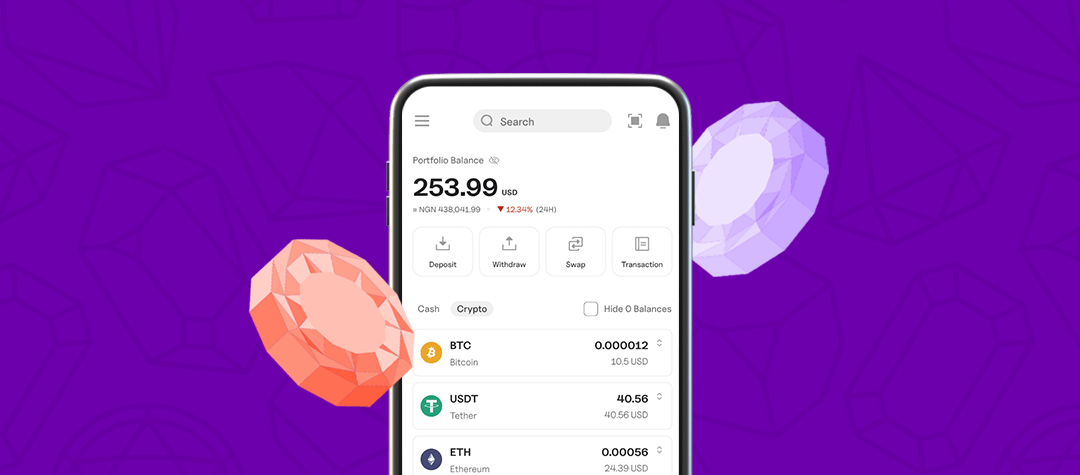
The process typically involves converting Naira to USDT or USDC on an exchange like Quidax and paying your supplier using the digital dollars. Alternatively, you can convert your Naira to CNY and pay suppliers in their local currency. This makes the stablecoin an effective settlement layer connecting two financial systems.
Beyond the simplicity stablecoin settlements offer, businesses prefer them to traditional payments methods for the following reasons:
- Faster payments: Transactions are typically settled within minutes and payments can be made 24/7. This means you can prevent shipping delays connected to payments.
- Lower FX costs: Stablecoins eliminate intermediaries that may add extra costs to your payments when moving money internationally.
4. Use an OTC Desk for High-Value Payments
Buying a small amount of USDT is straightforward. Buying $100,000, $500,000 or several million dollars worth of stablecoins for a supplier payment requires deep liquidity.
This is where an over-the-counter (OTC) desk comes in. Instead of executing a large transaction through a limited order book, you can work directly with an OTC liquidity provider.
Once you initiate a payment, you’ll receive a quote based on the transaction size and current market conditions. Agree to the rate and settlement terms and the transaction will be executed directly by the OTC provider.
For large importers, this provides several advantages:
- Access to bulk liquidity
- Negotiated pricing
- Dedicated transaction support
- Reduced need to split a large transaction into multiple orders
- Settlement directly into a digital asset wallet or local-currency bank account
5. Use Stablecoin-Powered Payment Infrastructure
Nigerian businesses can also build China-Nigeria settlement into their own products or payment operations. This means a payment provider, fintech or business handling a large volume of transactions does not need to manually buy stablecoins and send them every time.
Instead, it can integrate stablecoin infrastructure directly into its platform and create a programmable settlement layer. The best part is that this layer doesn’t have to be built from scratch. With stablecoin APIs powering the operation behind the scenes, you can have your payment system up and running in a few weeks.
For example, a Nigerian fintech app can collect funds from its customers, use stablecoins to move value across borders and then settle the beneficiary in the required currency. The customers get a faster and cheaper payment experience without bothering about interfacing with wallets and exchanges directly. So, even if they aren’t tech-savvy, settling their Chinese suppliers with stablecoins isn’t a problem.
Final Thoughts
With Chinese goods accounting for nearly four out of every ten naira spent on imports in the first half of 2026, China’s role in Nigeria’s import economy is too large for payment issues to hold your business back.
Stablecoins offer one of the fastest and cheapest experiences, allowing you to move digital dollars across borders. For businesses looking to access this infrastructure, Quidax provides several ways to facilitate digital settlements. Importers can access popular stablecoins like USDT, USDC, cNGN and XAUT, while the Quidax OTC Desk supports transactions above $100,000, with settlement in USDT or local currencies.
Companies building cross-border payment products can also use the Quidax Stablecoin API and Crypto API to power their wallets, liquidity, stablecoin transfers and local-currency settlement instead of building from scratch. Whichever side you belong to, there’s a solution for your business importing from China to Nigeria.
FAQs
What is the best way to pay Chinese suppliers from Nigeria?
The best option depends on the transaction size, supplier requirements, currency and urgency. Bank transfers are good for conventional trade payments. However, stablecoins can offer faster and potentially cheaper cross-border settlement, while OTC desks are particularly useful for high-value transactions requiring substantial liquidity.
Can I pay a Chinese supplier with USDT?
Yes, many Chinese suppliers accept direct stablecoin payments. You can also convert USDT to CNY and send to those who don’t hold USDT themselves.
Is paying Chinese suppliers with stablecoins cheaper than using a bank?
It can be, depending on the transaction. Stablecoins can reduce some intermediary and payment costs, but businesses should compare the total cost of the transaction, including FX conversion, network fees, liquidity and any on- or off-ramp costs to make informed decisions.