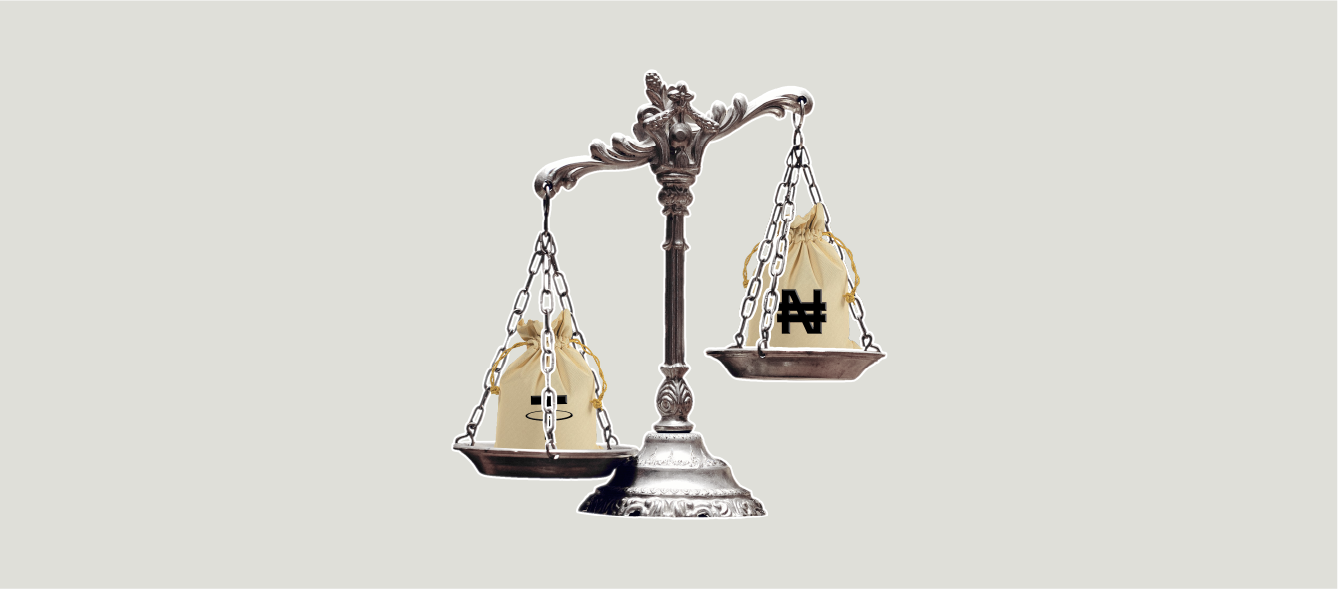
Ifeanyi runs an electronics import business in Alaba International Market, Lagos Nigeria. Every Quarter, he places orders worth roughly $80,000 with his suppliers in Guangzhou. And every quarter, the same story plays out. He walks into his bank. He fills out the paperwork. He pays about $50 in wire fees. He watches the bank apply an exchange rate that quietly costs him another 3 percent on the conversion. His supplier waits five to seven business days for the money. Sometimes the payment fails and Ifeanyi spends another two weeks sorting it out with his bank.
Meanwhile, his competitor down the line at the market has started settling the same transactions in hours for a fraction of the cost. That competitor is using stablecoin as a settlement option. The Nigeria-China trade corridor is one of the most active on the continent. It is also one of the most expensive to settle through traditional banking. Which is exactly why some Nigerian importers have quietly added stablecoin rails to their payment process.
The Nigeria-China Trade Corridor
China is one of Nigeria’s largest trading partners. Nigerian importers source electronics, textiles, machinery, auto parts, building materials, industrial goods, and consumer products from Chinese suppliers every day. The corridor is worth billions of dollars in annual trade volume. But moving money through it has historically been slow and expensive.
- Wire transfer fees are high: Base fees of $40 to $50 per transaction are standard, before FX spreads are added on top.
- FX spreads are hidden. Banks quietly bake 2 to 4 percent margins into the exchange rates they offer businesses. For a $50,000 transaction, that is $1,000 to $2,000 in silent costs.
- Settlement takes days. Five to seven business days is normal. Longer if a compliance review holds things up.
- Failed transfers are common. International wires fail more often than banks publicly admit. Tracing a failed payment can take weeks.
For a Nigerian importer running tight margins, this friction does not just delay operation but costs you real money.
Why Stablecoins Are Reshaping the Corridor
A stablecoin is a type of cryptocurrency designed to hold a steady value, usually pegged 1:1 to the US Dollar. The most widely used stablecoins are USDT (Tether) and USDC (USD Coin). One USDT or USDC is always worth roughly $1, so they are like digital dollars that move on blockchain networks.
Stablecoin settlement happens directly between two parties on a blockchain network, not through a chain of intermediary banks. That single structural change transforms the economics of moving money.
For a Nigerian importer paying a Chinese supplier, stablecoin settlement means:
- Converting Naira to USDT through a licensed local platform like Quidax
- Sending USDT directly to the supplier’s wallet
- Settlement confirmed in under 10 minutes
- Total transaction fee often under $5
- FX conversion cost transparent and upfront, typically around 0.5 to 1 percent
Is Stablecoin Trade Settlement Actually Legal?
This is the question every serious importer asks. And it deserves a serious answer.
Stablecoin trade settlement in Nigeria operates within a real regulatory framework. The Nigerian Securities and Exchange Commission (SEC) regulates digital asset service providers. Working with a licensed platform like Quidax means transactions run through KYB (Know Your Business) checks, AML (Anti-Money Laundering) monitoring, and proper documentation.
For Nigerian importers, this means:
- Work with licensed providers, not unregulated peer-to-peer channels
- Maintain proper documentation of all trade transactions
- Ensure your tax filings reflect crypto transactions correctly
- Stay updated on the regulatory position as it evolves
This is not an unregulated grey zone. It is regulated infrastructure that happens to be faster and cheaper than the traditional alternative.
What Nigerian Importers Should Actually Do
If you are running an import business and moving money regularly to Chinese suppliers, here is a practical starting point.
1. Add up your true annual cost of international payments: Include wire fees, FX spreads, intermediary bank fees, and the value of time lost to slow settlement and failed transfers. Most importers underestimate this by half.
2. Talk to your top 3 Chinese suppliers about their preferred payment method: You might be surprised how many already accept stablecoin and would offer better terms for using it.
3. Work with a licensed Stablecoin Infrastructure: Platforms like Quidax are regulated by the relevant authorities. The Quidax stablecoin infrastructure caters to businesses across 21 countries and 14 currencies. That’s enough evidence of protection for both your business and money.
The Nigeria-China trade corridor is one of the most important, high-volume trade routes in Africa. It is also one of the most expensive to settle through traditional banking. That gap is exactly why importers are starting to explore stablecoin as an alternative payment method.