From bank transfers and cards to stablecoins and embedded payment infrastructure
A customer can be on one side of the world, and a business on the other, yet the payment can still be completed in seconds. That is the expectation modern businesses face as payment systems continue to improve. But while domestic instant-payment systems are processing billions of transactions, cross-border payments remain slower and more expensive.
In Nigeria, the need for more reliable, faster payments has changed how businesses approach payments. For businesses in 2026, choosing a payment method transcends accepting money; it’s about how quickly funds settle, the cost of moving them, how easily they move across borders, and the infrastructure that powers them. This article highlights five important payment methods modern businesses can use today, and why stablecoins are becoming more relevant to digital payments.
Top Payment Options Businesses Choose in 2026
The International Monetary Fund (IMF) reported that Nigeria received about $59 billion in crypto inflows between July 2023 and June 2024, while stablecoin transactions in Nigeria accounted for roughly 60% of stablecoin inflows into sub-Saharan Africa from late 2019 to early 2025.
However, stablecoins’ fast-growing adoption across Nigeria and Africa hasn’t put an end to other popular payment methods. Here are the top options considered by businesses:
1. Bank Transfers
Bank transfers remain one of the most widely used payment methods for businesses, particularly for B2B transactions. They work well when businesses need to make large payments, maintain a clear transaction record or move money between established bank accounts.
For domestic transactions, modern instant-payment systems have made bank transfers considerably faster. Nigeria’s payment infrastructure, for example, includes Nigeria Inter-Bank Settlement System (NIBSS) instant payments alongside other electronic fund transfer systems.
The biggest challenges come with sending money across borders. An international bank transfer can involve multiple banks, correspondent institutions, foreign-exchange conversions and compliance checks before the beneficiary receives the funds. Each additional step can add extra processing time and cost. As such, bank transfers are not always the fastest or most efficient option for international businesses.
2. Card Payments
Cards are also important payment methods for businesses selling directly to customers. Visa, Mastercard and other card networks allow your customers to pay online or in-store without needing to transfer funds manually. They are useful for:
- Ecommerce payments
- Subscription businesses
- Travel and hospitality
- Retail
- Digital services
- International consumer payments
They also offer a familiar customer experience. A customer enters their card details, authorises the transaction, and the merchant receives confirmation almost immediately. But the speed visible to the customer using cards does not necessarily mean immediate settlement for the merchant.
Businesses have to account for processing fees, foreign-exchange costs, chargebacks, refunds and settlement timelines. For international transactions, those costs can become more significant. This means cards are more effective when customer convenience and broad acceptance are the priority over costs and settlement speed.
3. Digital Wallets and Mobile Banking
The smartphone is now a payment terminal for many Nigerians who can easily access their bank accounts and financial apps on the go. Even cryptocurrency holders can easily pay for goods and services with Bitcoin and other digital assets through their crypto wallets.
These banking apps and digital wallets can be used for:
- Peer-to-peer (P2P) payments
- Local commerce
- Small businesses
- Mobile-first customers
- Recurring everyday transactions
This is important in an emerging market, where mobile-first financial services can save people time and stress. However, their biggest limitation is that many wallet systems remain tied to specific countries, currencies or payment networks.
A wallet that works seamlessly in one country may not provide the same experience when a business needs to pay a supplier or receive money from a customer in another country. That is where stablecoins offer a viable solution.
4. Stablecoin Payments
Unlike volatile cryptocurrencies like Bitcoin, stablecoins are designed primarily to maintain a stable reference value with a pegged asset like the US dollar. This makes them efficient for transactions where businesses want the advantages of blockchain payments without risking price volatility.
Why are Modern Businesses Interested in Stablecoins?
The appeal comes down to four reasons:
- Speed: Blockchain networks can settle transactions within minutes, and they run around the clock. Businesses don’t need to wait for banking hours or several intermediaries to process a payment.
- Global Accessibility: A stablecoin can move between compatible wallets across borders without requiring the sender and recipient to use the same bank or payment provider.
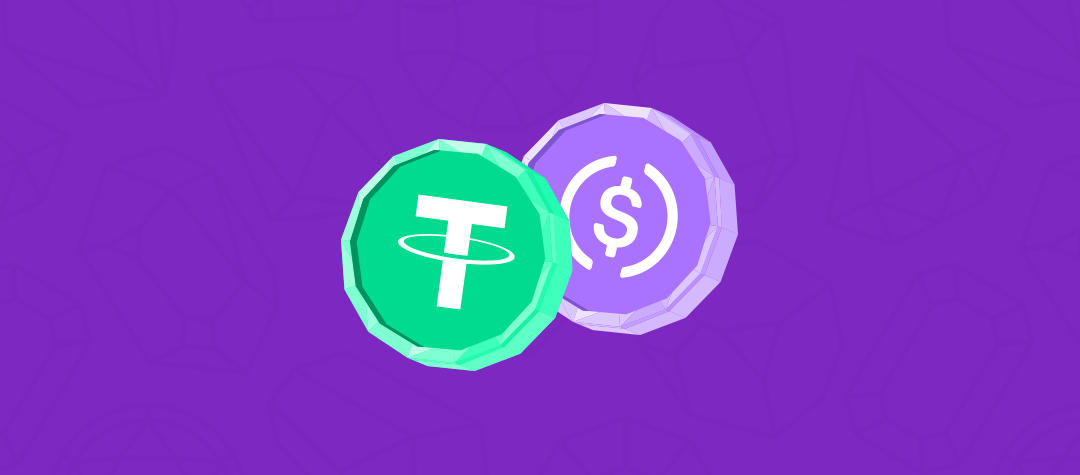
- Dollar-Denominated Value: Businesses in markets with volatile local currencies can transact using stablecoins like USDT and USDC, which are linked to the US dollar.
- Lower Costs: By reducing dependence on multiple intermediaries, stablecoins can lower some of the costs associated with business payments.
For context, instead of moving funds through banks and multiple intermediaries, a stablecoin infrastructure makes the journey smoother over the blockchain, and the supplier gets settled in USDT or their local currency. The stablecoin simply serves as the bridge that moves value between two financial systems.
This is why more modern businesses, especially those with international sides to their operations, opt for stablecoin payments in 2026.
5. API-Powered Payment Infrastructure
International businesses can also build payment rails into their systems instead of relying on multiple platforms for payments, accounting, and bookkeeping. Today, building such payment systems is easier using a crypto API or stablecoin infrastructure that runs the end-to-end payment flow for your business behind the scenes rather than operating separate systems for:
- Fiat collections
- Stablecoin transfers
- Wallets
- FX conversion
- Local payouts
- Treasury management
With such an embedded payment experience, a customer can pay you in their local currency, the platform processes the value using a stablecoin, or you receive local currency settlement.
For a large enterprise or payment company, this can mean fewer systems to build and greater flexibility in how money moves between markets.
Which payment method is right for your business?
The right choice depends on whether your business is collecting customer payments, paying suppliers, moving treasury between markets or building a payment product.
A modern business could accept card payments from customers, use bank transfers for certain corporate transactions and use stablecoins to settle cross-border obligations. Similarly, a payment provider could combine fiat rails with stablecoin settlement behind a single API.
How to Build Stablecoin Payments Into Your Business
Businesses that want to use stablecoins do not necessarily need to build the underlying infrastructure themselves.
Quidax provides access to popular digital assets and stablecoins including USDT, USDC, cNGN and XAUT, giving businesses a way to access digital-asset liquidity alongside traditional payment and settlement options.
For larger transactions, Quidax OTC supports high-volume trades above $100,000, with settlement available in USDT or local currencies.
Final Thoughts
The biggest change in business payments in 2026 is not that one payment method is no longer enough. Neither do these available methods have to replace one another. It is that businesses now have more ways to move value and add more flexibility to their payment flows.
Cards can handle consumer payments. Bank transfers can handle conventional B2B transactions. Digital wallets can make local payments more accessible. And stablecoins can provide a fast, global settlement layer for businesses moving value across borders.
The future of business payments may therefore not be about finding one universal payment method, but about building a payment system where the right rail is used for the right transaction — and stablecoins have become the bridge when money needs to move across borders quickly.
FAQs
What are the best payment methods for businesses in 2026?
Five important options are bank transfers, card payments, digital wallets, stablecoins and API-powered payment infrastructure. Each serves different use cases, with stablecoins becoming top options for cross-border payments and settlement.
Why are businesses using stablecoins for payments?
Stablecoins can offer fast 24/7 settlement, global accessibility and potentially lower costs for some cross-border transactions. The IMF says Nigerian SMEs are increasingly using stablecoins to pay overseas suppliers.
Are stablecoin payments cheaper than bank transfers?
They can be, particularly for certain cross-border transactions where stablecoins reduce intermediary costs. However, businesses should compare the total cost, including FX, on- and off-ramp fees and blockchain network costs to determine their actual costs.
Can businesses accept USDT or USDC without building their own crypto infrastructure?
Yes. Businesses can use payment providers and Quidax APIs that offer stablecoin wallets, liquidity, transfers and settlement infrastructure. This allows the stablecoin functionality to be embedded into an existing product or payment flow.
What stablecoins can businesses access through Quidax?
Quidax provides access to stablecoins and digital assets, including USDT, USDC, cNGN, XAUT, and other supported assets.