How stablecoins, OTC liquidity and payment APIs can help gaming businesses manage cross-border payments and international operations.
A Nigerian game called Lagos Life became a viral sensation in 2026, attracting over 5 million players across several countries in less than two weeks. Its global reach highlights an opportunity for African gaming companies to build audiences beyond their home markets. But as a gaming business expands internationally, paying developers, collecting revenue and settling invoices across borders can become increasingly complicated.
Africa’s video game market generated approximately $1.8 billion in revenue in 2024, with mobile gaming accounting for nearly 90% of the total. This article explains why stablecoins are worth considering by gaming companies preparing to expand across multiple markets in 2027.
Why Cross-Border Payments Are a Challenge for African Gaming Companies
Gaming businesses often operate across several financial systems. A South African game studio might hire developers in Kenya, pay software providers in the United States and receive venture capital (VC) funding from European investors.
Each transaction can involve currency conversion, banking fees, documentation and settlement delays. For smaller studios, these costs can complicate cash-flow management and make international operations harder to scale.
iGaming operators face additional considerations, including payments to technology vendors, marketing affiliates and other business partners across multiple jurisdictions. Player deposits and winnings may also be subject to specific gambling and payment regulations.
Stablecoins can provide an alternative settlement route for eligible transactions, but businesses need to assess the costs, risks and regulatory requirements before adopting them.
How Can Stablecoins Help Gaming Businesses?
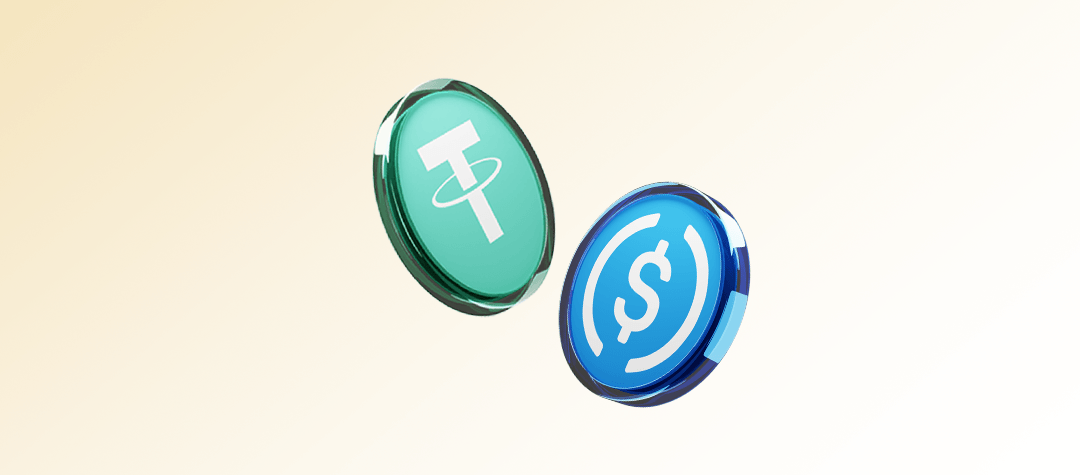
Stablecoins such as USDT and USDC are designed to maintain a relatively stable value against a reference asset, typically the US dollar. Where supported by payment providers and permitted by local regulations, they can help gaming businesses transfer digital value between markets.
Here are five ways to use them.
1. Pay International Developers and Vendors
Game development often involves international teams, freelance specialists, software providers and outsourced production partners. Paying these partners through traditional banking channels can create friction when the sender and recipient use different currencies or banking systems.
Where both parties and their providers support stablecoin payments, your company can use USDT or USDC to settle an invoice. The recipient can receive the stablecoin directly or use a supported provider to convert it into local currency.
Blockchain transactions can settle within minutes, depending on the network. They are also usually cheaper to process due to the absence of intermediaries as in traditional banking.
2. Settle Revenue and Payments Across Markets
Gaming companies may earn revenue in one currency while paying operational expenses in another. A publisher might remit earnings in dollars, while a studio pays staff and local suppliers in naira or other African currencies.
Converting and moving funds between accounts can add costs and administrative work. Dollar-pegged stablecoins offer another way to transfer value between supported markets.
For example, a gaming company could receive USDT or USDC through a supported arrangement and use a settlement provider to convert the funds into the local currency needed for business expenses.
3. Pay Affiliates and Business Partners More Efficiently
Gaming companies often work with affiliates, marketing agencies, content creators and distribution partners across multiple countries. Managing these payouts can become complicated when providers support different currencies, impose transaction limits or charge additional fees for international transfers.
Stablecoins can provide another option for paying partners who are legally eligible and willing to receive them.
For example, your gaming company could use a supported payment provider to send USDC to an international marketing partner. The recipient could then hold the asset or convert it into a supported local currency.
For larger payout programmes, payment APIs can help automate payment instructions, track transaction statuses and connect settlement processes to existing business systems.
Ultimately, you can streamline recurring partner payments and reduce manual reconciliation, provided your provider supports the required payout destinations and compliance requirements.
4. Use OTC Desks for High-Value Settlements
As your gaming company grows, payment requirements can extend beyond individual invoices to substantial transactions involving publishers, technology vendors and other business partners.
Buying or selling large amounts of stablecoins through ordinary exchange orders may not always provide the most suitable execution process.
An over-the-counter (OTC) desk allows a business to transact with a liquidity provider, obtain a quote and arrange settlement for a high-value transaction.
For example, a gaming company that needs $200,000 in USDT for an eligible business payment could approach an OTC provider for a quote rather than executing multiple smaller exchange orders.
With such a system, you can coordinate pricing, liquidity and settlement according to your business requirements.
5. Build Stablecoin Settlement Into Gaming Platforms Through APIs
If your business processes hundreds or thousands of transactions, handling every stablecoin payment manually isn’t practical.
Payment APIs allow gaming companies and technology providers to connect their platforms to services that support digital-asset transactions, wallets, liquidity and currency conversion.
For example, you can integrate an API into your financial operations to automate supported transactions and track settlement statuses. This reduces the need to develop every component of the payment infrastructure in-house.
Quidax provides crypto APIs that businesses can use to integrate digital-asset transactions and related infrastructure into their products. Depending on the service and integration, these capabilities can support workflows involving wallets, liquidity and fiat on- and off-ramps.
That way, you can easily automate settlement workflows as transaction volumes increase, reduce manual processing and connect payment operations to your existing systems.
What Gaming Companies Should Consider Before Using Stablecoins
Stablecoins can improve payment flexibility, but your business should assess several factors before adopting them.
- Regulatory requirements: Rules vary across African countries. iGaming operators must also consider gambling licences, player funding rules and restrictions on permitted payment methods.
- Total transaction costs: Compare conversion spreads, network fees, provider charges and final payout costs.
- Security: Establish wallet controls, transaction approvals and safeguards against fraud or incorrect transfers.
- Liquidity and redemption: Confirm that your provider can support the required transaction size and convert assets into your intended currency.
- Accounting: Maintain clear records of transaction values, exchange rates, invoices and settlement confirmations.
These checks are crucial when handling player deposits, withdrawals or winnings, which may be subject to additional requirements beyond ordinary business-to-business payments.
Final Thoughts
As African gaming companies expand internationally in 2027, efficient cross-border payments can help them manage partners, vendors and operating expenses across markets.
Stablecoins offer another settlement option for eligible transactions, while OTC services can support high-value payments and APIs can help automate payment workflows.
Quidax provides access to digital assets, including USDT, USDC, cNGN and XAUT. Its OTC Desk supports high-volume transactions above $100,000, with settlement available in USDT or supported local currencies. Its crypto APIs can help businesses and payment providers integrate digital-asset transactions and related infrastructure into their products.
The right approach depends on your transaction volumes, operational needs and the markets you serve. Start by identifying where your current payment processes create the most friction. If stablecoins can solve those problems within your regulatory and financial requirements, it may be the best time to leverage Quidax’s digital asset infrastructure for your next growth phase.
FAQs
How can gaming companies in Africa use stablecoins?
Gaming companies can use supported stablecoins for eligible cross-border vendor payments, developer invoices, affiliate settlements and treasury transfers. Player deposits, withdrawals, in-game purchases, and winnings require separate assessment under applicable gambling and payment regulations.
How can Quidax APIs help gaming businesses use stablecoins?
Quidax APIs can connect gaming platforms to supported services for digital asset transactions, wallets, liquidity and conversion. This helps automate settlement workflows instead of managing every transaction manually.
What should iGaming operators consider before using stablecoins?
Operators should verify that stablecoin-related payments are permitted under the gambling, payments and financial-services rules in every jurisdiction where they operate. Player deposits, withdrawals and winnings may face additional restrictions, so compliance requirements should be assessed before implementation.