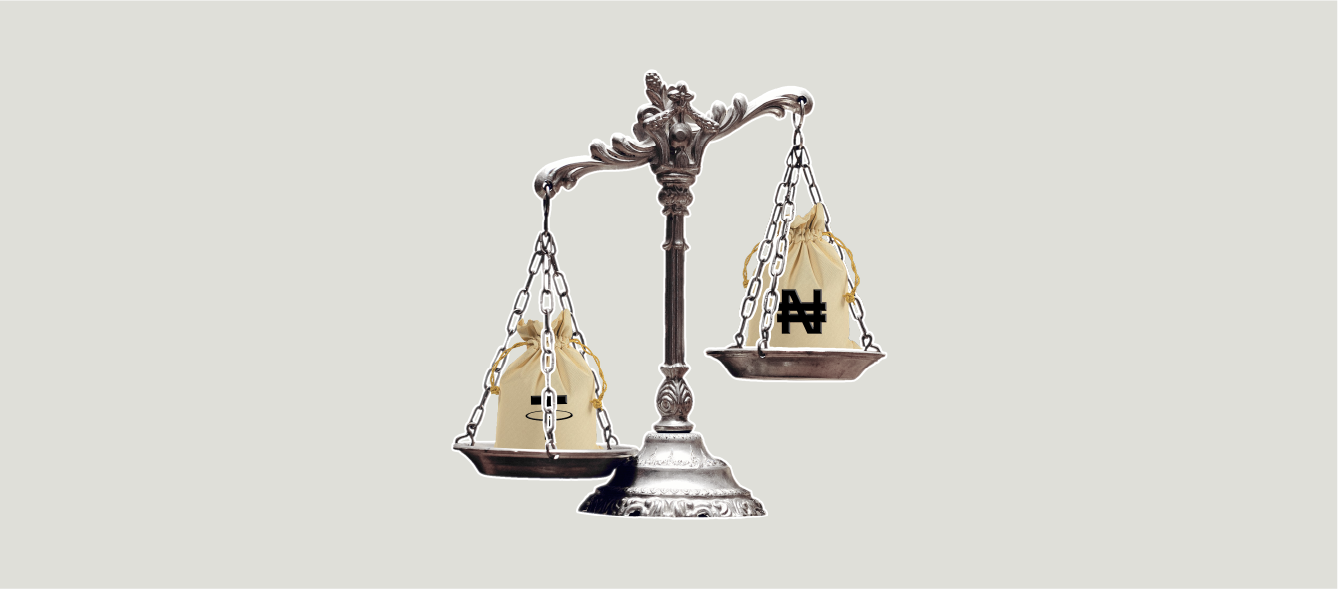
Wanjiru runs a business in Nairobi that imports electronics from suppliers in China and the UAE and distributes them across East Africa. For years, her supplier payments moved through international wire transfers that took 2 to 5 business days to clear. Every transaction also quietly cost her 8 percent on average in wire fees, correspondent bank fees, and Foreign Exchange charges.
Then in late 2025, one of her suppliers suggested trying stablecoin settlement. The payment cleared in under an hour, at less than a third of the total cost. Today, she has added that as one of the settlement options for both her customers and suppliers. Wanjiru’s story is not unusual anymore.
Africa has long held an uncomfortable global record as the most expensive region in the world to send money. A 2025 World Bank report shows the average cost of remittance to the continent is about 8.56%, compared to 6.8% or lower for other regions.
While traditional remittance growth into Africa has slowed to single digits over the last few years, digital dollar transactions, specifically stablecoin settlements, are climbing sharply. Stablecoins now account for over 43% of all crypto transaction volume across Sub-Saharan Africa, with tens of billions of dollars moving across digital rails every single year.
Why are small medium-sized business owners like Wanjiru, alongside businesses of all sizes, integrating stablecoin payments into their regular money transfer routines?
1. The Insane Cost of Traditional Remittances
Sending money to Africa remains the most expensive in the world. Traditional money transfer operators charge as high as 9% on a $200 average transfer. Some corridors are even more expensive. Stablecoin transactions can settle for 3 percent when using licensed platforms.
2. Speed
Traditional remittances can take up to 5 business days to settle, depending on the corridor. Stablecoin settlement happens between minutes and under 24 hours, depending on the nature of the transaction. When your supplier is waiting for payment or your family member needs medical bills paid today, the difference between hours and days matters.
3. Access
Stablecoin transactions work 24 hours a day, 7 days a week. No banking hours. No public holidays. No delays because a correspondent bank is closed for the weekend. For African businesses trading with Asia, Europe, or the Americas, this is a real advantage. Time zones stop being an obstacle.
4. Trust in the Dollar
Stablecoins like USDT and USDC give people direct access to dollar-denominated value without needing a US bank account or complicated documentation. For businesses and individuals wanting exposure to a globally recognised currency, this is significant.
5. Better Infrastructure
Licensed platforms whose infrastructure covers different markets across Africa have made stablecoin transactions genuinely easy to use. You can now send stablecoins from Kenya to Morocco, or from Ghana to South Africa, through a mobile app or dashboard in a few taps. The complexity that once made crypto hard has been largely solved.
What This Means for Your Business
If your business is involved in cross-border payments in any way, this shift affects you directly.
1. For fintech or remittance operators: Your competitors are already integrating stablecoin rails. Companies that do not adapt are losing ground on unit economics that only get harder with each passing quarter.
2. If you are an importer or exporter: Your supplier payments and customer collections can move to stablecoin rails today. The cost and speed benefits are meaningful even if you only shift 30 to 40 percent of your cross-border volume.
3. For e-commerce or SaaS businesses: Accepting stablecoin payments from international customers unlocks a growing pool of buyers who prefer this option. It also reduces card decline rates on cross-border transactions.
4. If you are just an individual sending money to family or friends: Stablecoins can save you significant money on each transfer. Working with a licensed platform means the process is safe and easy.
Stablecoin settlement in Africa is not replacing traditional remittances overnight. Both will exist for years to come. But the growth curves are pointing in one clear direction. Stablecoins are gaining market share fast in cross-border payment volumes across the continent. For businesses and individuals moving money across African borders, this is worth understanding. Cost, speed, and access all favour the new model. Regulatory frameworks are catching up. Infrastructure is mature enough for daily use.