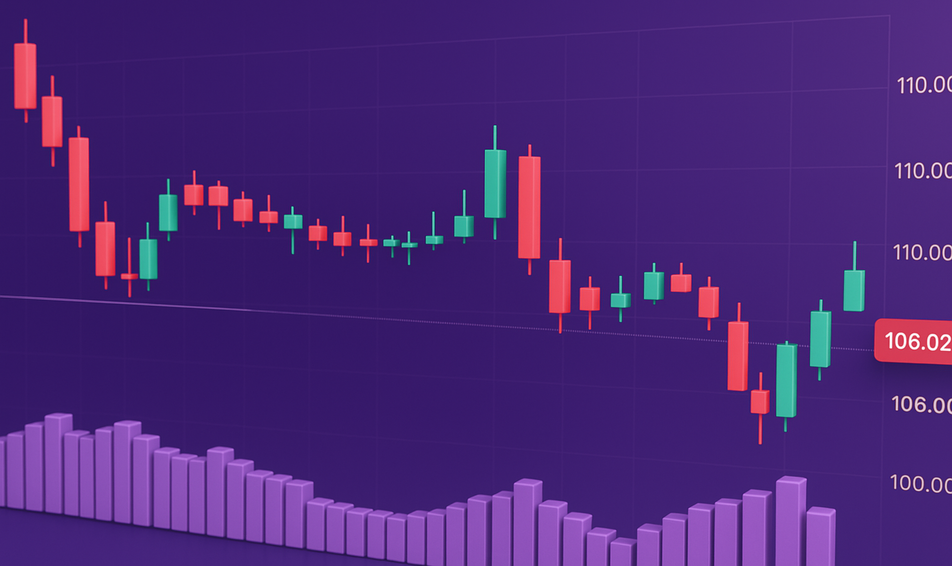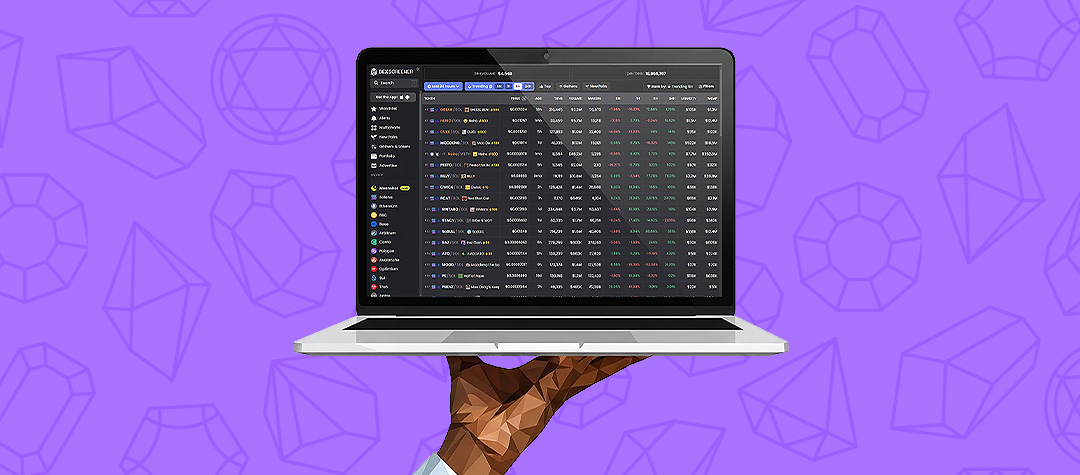
Liquidity in crypto is why you may be unable to find ready buyers when willing to sell a coin. But it goes beyond that. It’s the reason why some dump their tokens for Naira after it’s no longer in demand or even delisted from exchanges. If you’ve experienced any of these, then you’ve already felt the power of liquidity (or the lack of it).
In crypto, liquidity is the difference between a smooth trade and a painful loss. When liquidity works, you move fast, pay less in trading fees, and breathe easy. When it fails, the opposite happens. Now, let’s break down what liquidity really means and why it matters to crypto traders.
What is Liquidity in Crypto?
At its core, liquidity means ease of trade. In crypto, that means how quickly and easily you can buy or sell a coin without causing its price to crash or shoot up. For instance, say you want to buy Bitcoin with Naira or sell your Tether (USDT) for Naira, liquidity is the reason you enjoy smooth trades and also get great value.
So when people say “this coin or exchange has high liquidity,” what they’re saying is that you can trade the token right away, and the exchange will not slow down things. Because buyers and sellers are lined up, your order is processed immediately.
On the flip side, low liquidity means slow trades, sharp price swings and risks of slippage (losing money to a drop in price because your order cannot be filled instantly). On illiquid coins, even a small sell order by you or someone else can wipe off 5%, 10%, or 20% of the circulating volume because there aren’t enough buyers waiting.
Why Liquidity Matters to Crypto Traders & Investors
Here are the reasons liquidity in crypto can impact you and your trades:
Easier Entry and Exit
When liquidity is high, your buy and sell orders get filled at the best market price or a value close to it. That means you don’t have to wait for minutes because your transaction should take only a few seconds — just like when you convert USDT to NGN to get some quick cash.
That’s crucial for daily traders, peer-to-peer (P2P) merchants, and anyone trying to move from crypto to cash instantly.
Price Stability and Less Slippage
High liquidity means plenty of buyers and sellers are readily available in the market. This reduces price swings that can make a coin’s value wobble. For example, if a token and an exchange have deep liquidity, big orders (buy or sell) won’t crash the price.
This is why you can complete up to $50,000 in daily crypto transactions on Quidax without your trade impacting the Bitcoin price or Quidax itself. With such market depth, slippage doesn’t eat into your money when buying and selling cryptocurrencies.
Lower Risk of Market Manipulation
When only a handful of people hold a huge part of a coin’s supply, or there’s limited liquidity, it’s easy for big players to manipulate the market. They can decide to sell a coin to deceive other holders into selling off, then they’ll buy it again at a lower price.
But deep liquidity spreads ownership, reduces extreme price swings, and makes shady moves harder to execute, which protects small investors.
Reliable Fiat & On-Ramp and Off-Ramp
For individuals and businesses, especially those making and receiving crypto to NGN payments or cashing out via trading pairs like SOL/NGN via trading desks, liquidity is non-negotiable.
It affects how easily cryptocurrencies and stablecoins in retail, such as USDT and USD Coin (USDC), can be sold for fiat, and how reliable withdrawal or deposit rails are. If not, traders, businesses, and customers using crypto for various reasons will suffer for it.
Factors That Affect A Coin’s Liquidity
Several factors influence whether a coin is easy to trade or a headache. They include:
1. Trading Volume & Number of Participants
The more active traders a coin has, the more liquid it is. Coins with heavy daily trading or many holders and traders tend to be more liquid.
2. Number of Exchanges or Platforms Listing the Coin
If a coin is listed on many reputable centralised exchanges (CEXs) and decentralised trading platforms (DEXs) for people to buy or sell, liquidity improves. If it’s only on a few unknown exchanges, expect thin orders.
3. Order-Book Depth and Bid-Ask Spread
If the gap between the highest buy offer and the lowest sell offer is small (tight bid-ask spread), that’s a sign of good liquidity. It means trades execute near fair prices, even with bigger orders.
But if the spread is wide, especially on small exchanges or coins with low market capitalisation, trades may execute at poor prices.
4. Adoption, Utility and Demand
Coins with real use cases attract continuous trading and demand. That naturally brings liquidity. Meanwhile, tiny coins with no purpose often experience less interest and less liquidity, making them more risky.
5. Market Sentiment & External Factors
News, regulation, and macroeconomic shocks affect how many people want to buy or sell. When sentiment drops, liquidity dries up. When confidence is high, volumes rise, and liquidity flows.
How to Check (and Use) Liquidity As A Trader
Before you click “buy” or “sell” on any coin, do these quick checks:
- Check trading volume on daily charts.
- Open the order book to see the bid-ask spread and depth. If the spread is wide, the cost is likely high.
- Look at the number of exchanges that list the coin. More listings mean better liquidity.
- Check liquidity pools for DEX/ decentralised finance (DeFi) tokens to ensure their pool sizes are decent, liquidity is locked, not they aren’t just hyped projects.
- Avoid small-cap or unknown tokens unless you’re okay with high risk.
- Use limit orders, not market orders (especially on illiquid coins). This protects you from slippage.
- Keep small positions on illiquid coins — don’t gamble with your entire capital.
Final Thoughts
Liquidity is the silent part of crypto that doesn’t make the headlines like price charts and coin prices. But it’s the reason your trade fills at a good price when you buy, sell, or swap crypto.
So next time someone flashes charts or talks about a new coin, ask them what the liquidity is like first. Because in crypto trading, liquidity isn’t optional. It’s the quiet backbone of every trade. And that’s why you’ll only find top cryptocurrencies with deep liquidity when you start trading on Quidax with as low as ₦2,000 or as high as $50,000.
Disclaimer: This content may cause extreme FOMO (Fear of Missing Out). Side effects of investing include sudden wealth (or, you know, the opposite 😢). Please do your own research (DYOR) or speak to your financial advisor before making any decisions.