In January 2026, something unusual happened in Lagos. IShowSpeed—the American YouTuber with 27 million subscribers—was streaming live from Lagos, Nigeria, shopping with USDT. Not a credit card. Not a wire transfer. Not some convoluted international payment setup. Just a simple crypto payment that worked instantly. His millions of global viewers watched an American influencer pay a Nigerian vendor using digital currency as easily as you’d tap a card in New York or London. The transaction took seconds. No banks involved. No exchange rate confusion. No “sorry, we don’t accept international cards.”
It was a glimpse of something bigger: borders don’t matter when money moves on blockchains. For African businesses watching that moment, a light went on. If Speed can pay Lagos vendors with USDT on camera, what’s stopping customers in Dallas or Dublin from paying African businesses the same way? The answer: nothing.
The Prom Dress Economy Nobody Saw Coming
While tech Twitter was debating crypto’s future, something quietly remarkable was happening on Instagram. American teenagers were buying their prom dresses from Nigerian designers. Not from department stores. Not from major brands with billion-dollar marketing budgets. From young designers in Lagos, Accra, and Nairobi who’d built followings on social media by creating stunning, unique pieces. The problem? Getting paid.
Seventeen-year-old Madison in Texas finds the perfect custom dress from a designer in Lagos. She’s ready to pay. The designer is ready to make it. But how does money move from Texas to Lagos for a $300 dress?
Traditional options are terrible:
- Wire transfers? Minimum fees of $30-50. For a $300 dress, that’s adding 10-17% to the cost. Plus, the Nigerian designer waits 3-5 days for the money to arrive—if it arrives. Sometimes wires get stuck in correspondent banking limbo.
- PayPal? Many African countries aren’t supported, or withdrawal fees are punitive. Even where it works, currency conversion rates are awful and funds can be held for weeks.
- International card payments? Setup requires incorporation in the US, merchant accounts that take months to approve, and fees that make small transactions unprofitable.
The infrastructure designed for multinational corporations doesn’t work for a teenager buying a dress from an independent designer. Enter crypto payments.
Madison sends USDT. The designer receives it instantly. Converts to Naira within minutes. Everyone’s happy. Total fees: under 1%. Settlement time: faster than any traditional option. The dress gets made. Madison looks amazing at prom. The designer gets paid fairly and quickly. A transaction that seemed impossible becomes routine. This is happening thousands of times monthly now. Not just dresses—African art, handmade jewelry, custom sneakers, bespoke suits, home decor. American buyers discovering African creators through social media and paying them directly using stablecoins. The global market isn’t coming someday. It’s here. The question is whether African businesses are set up to capture it.
The Real Border Isn’t Geography—It’s Payments
African businesses have always had global potential. The creativity is world-class. The craftsmanship is exceptional. The prices are competitive. Social media demolished the discovery problem—Instagram and TikTok give African brands access to global audiences that would’ve cost millions in traditional advertising. But payment infrastructure stayed stuck in the 1990s. You can have 100,000 followers in the United States. You can have products they desperately want to buy. But if you can’t accept their payment easily, you don’t have a business—you have an audience you can’t monetize.
Traditional cross-border payment rails were built for:
- Large corporations with legal teams
- Predictable, high-volume flows
- Businesses that can absorb 3-5 day settlement times
- Companies that can navigate complex compliance in multiple countries
They weren’t built for:
- Independent creators and small businesses
- Sporadic, variable-sized transactions
- Businesses needing immediate cash flow
- Entrepreneurs who can’t hire international lawyers
The mismatch is obvious. A fashion designer in Accra selling to buyers in Atlanta needs the exact opposite of what SWIFT was designed for. Crypto solves this not by being revolutionary, but by being simple: money moves on the internet as easily as messages.
Enter Basqet: Payment Infrastructure That Actually Works
This is where Basqet comes in.
Basqet isn’t trying to replace traditional payments. It’s focused on the specific problem African businesses face when selling globally: getting paid by international customers faster, more reliably, and with lower fees.
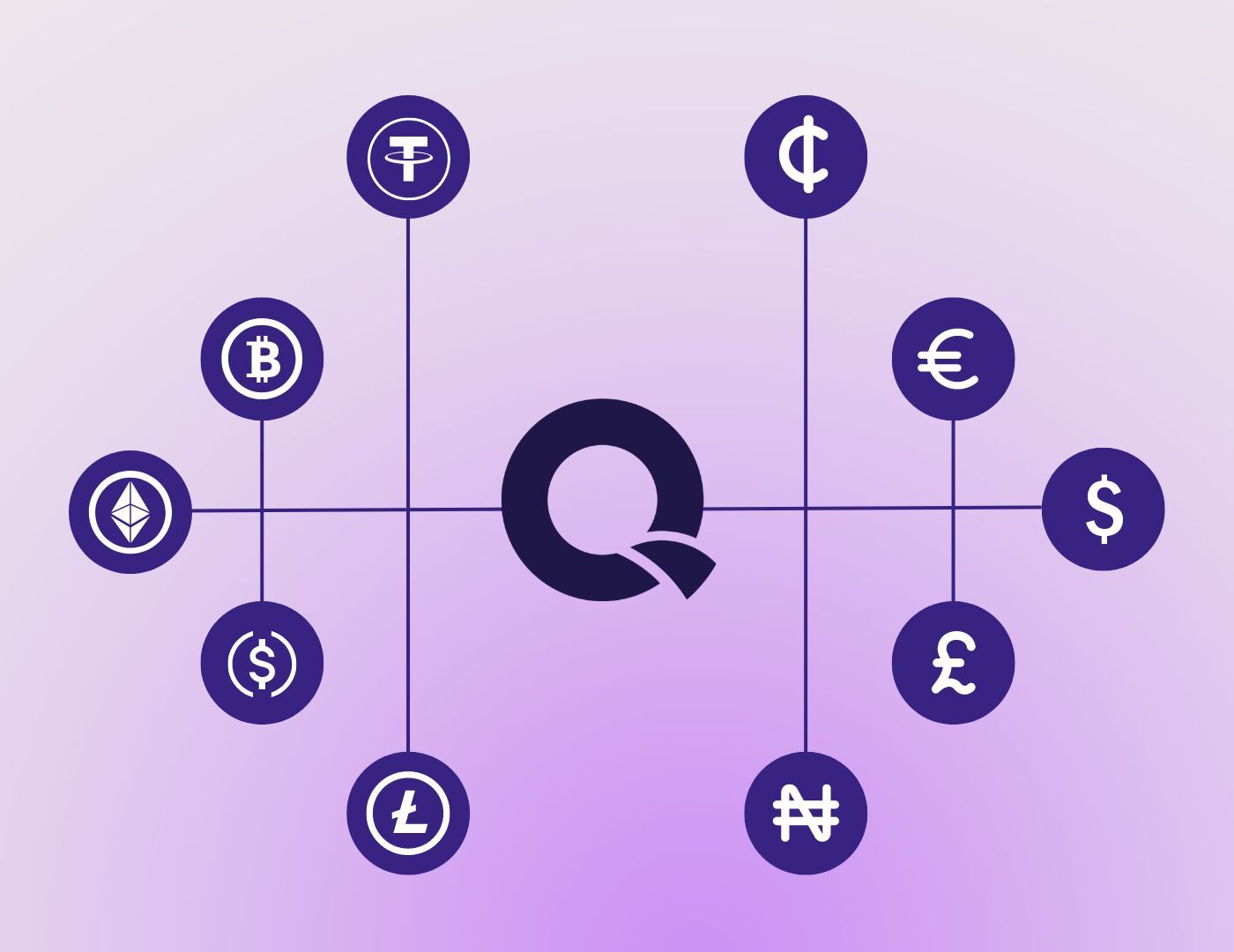
With Basqet, businesses like yours can accept stablecoins (USDT, USDC) and digital assets (Bitcoin, Ethereum) as payments from anywhere in the world. Plus, you don’t have to worry about holding stablecoins or crypto; the payment immediately gets converted to your local currency of choice, whether it’s Naira or Cedis.
You can also choose your payment method: payment links, QR codes, or full gateway integration. And the most important part is that there are no chargebacks.